🫀 Just published!

Radial (through the wrist) and pedal (through the foot) access are important frontiers in interventional cardiology.
How we access the arteries matters.
Radial access has transformed heart procedures by reducing bleeding and vascular complications compared with traditional femoral access (through the groin).
Pedal access is also expanding treatment options for certain vascular conditions.
The future is not simply radial-first. It's choosing the safest and most appropriate approach for each patient.
Our new review explores:
• How patient anatomy influences access selection
• Right vs. left radial access
• Conventional vs. distal radial access
• Blood thinners and prevention of radial artery occlusion
• Wire and catheter selection
• Recognition and management of complications
• Future directions in transradial intervention
📖 How are these techniques changing modern heart procedures? Explore our latest review for a practical look at the techniques, benefits, challenges, and future of radial coronary access.
https://imrpress.com/journal/RCM/27/10/10.31083/RCM54571
#Cardiology #HeartHealth #InterventionalCardiology
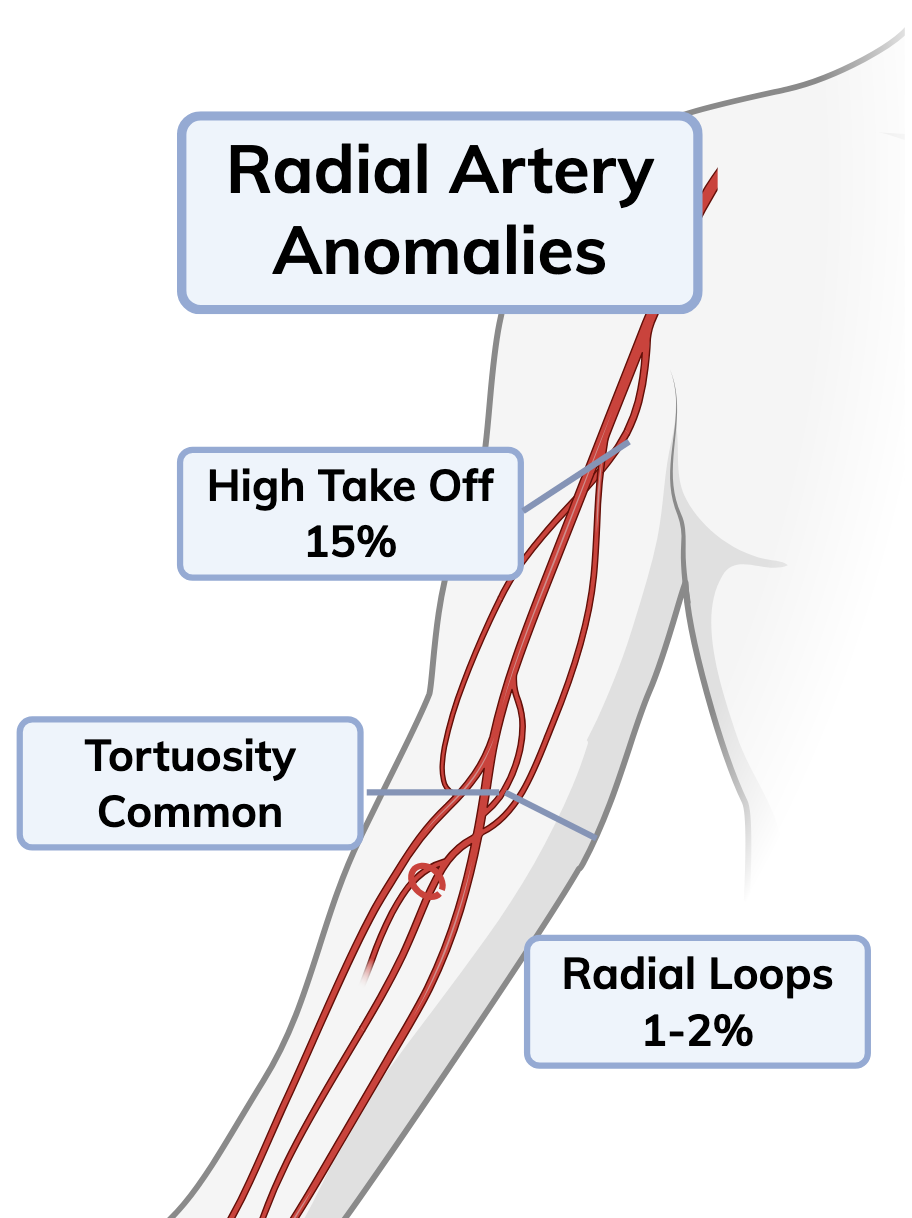 Transradial Coronary Angiography and Intervention: Current Concepts and Future Directions
0 comments
You need an account to comment. Sign in or sign up.
Loading comments.